DATA CENTER
DATA CENTER
Introduction
Data centers are the foundational environments where enterprise computing, storage, networking, and digital services are hosted and operated. As organizations increasingly rely on cloud services, real-time data processing, and intelligent systems, data centers have evolved into highly engineered facilities designed for performance, resilience, and scalability.
In modern IT strategies, data centers are no longer isolated technical assets. They function as integrated infrastructure platforms that support business continuity, digital transformation, and long-term technology growth across enterprise and infrastructure ecosystems.
What Is a Data Center?
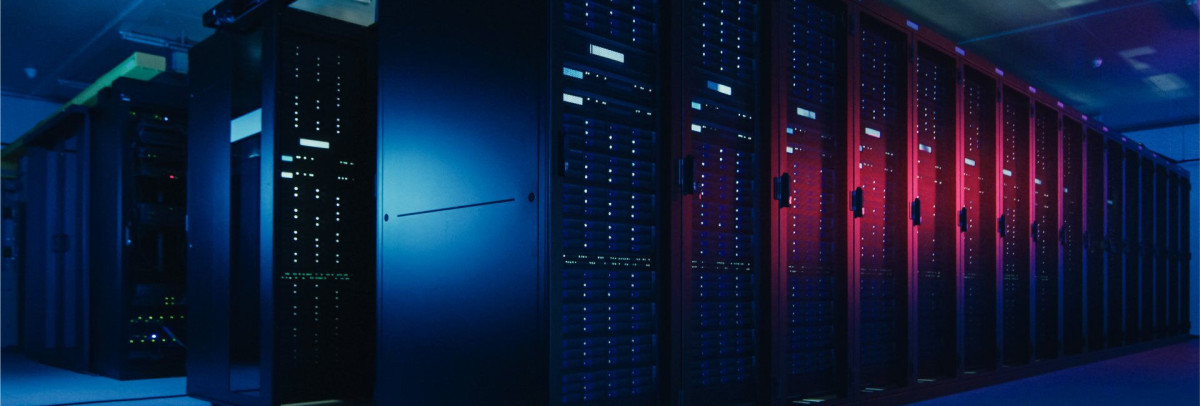
A data center is a dedicated physical or virtual facility that houses computing systems, storage resources, networking equipment, and supporting infrastructure required to process, store, and distribute digital information.
Data centers are designed to ensure continuous availability, security, and efficient operation of critical IT services.
Key functional aspects include:
Compute infrastructure: Servers and processing platforms for applications and workloads.
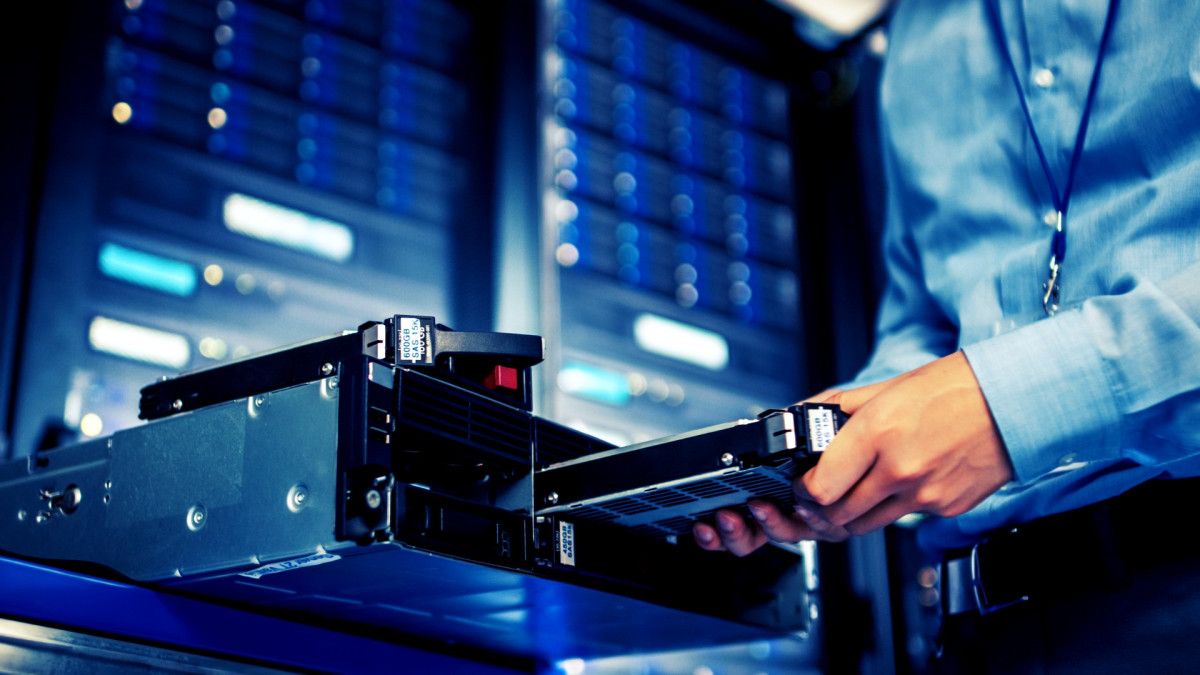
Storage systems: Centralized and distributed data storage solutions.
Networking: High-speed connectivity within and outside the facility.
Power and cooling: Electrical and environmental systems ensuring stable operation.
Physical and logical security: Controls to protect assets and data.
The Historical Evolution of Data Centers
Data centers have evolved in response to changing computing models, business demands, and technological advancements.
Key development phases include:
Mainframe rooms: Centralized computing environments with limited scalability.
Enterprise server rooms: Dedicated on-premises facilities supporting business applications.
Virtualized data centers: Improved resource utilization through virtualization technologies.
Cloud-scale data centers: Large-scale facilities optimized for service delivery.
Hybrid and distributed data centers: Integration of on-premises, cloud, and edge environments.
Why Data Centers Emerged
The emergence of data centers was driven by the need to centralize, secure, and manage growing volumes of enterprise computing resources.
Primary drivers and challenges addressed include:
Centralized IT management: Need for controlled and standardized environments.
Business continuity requirements: Ensuring availability of critical systems.
Scalability limitations: Managing growth in computing and storage demand.
Security and compliance: Protecting sensitive data and meeting regulatory obligations.
Operational efficiency: Reducing complexity and improving infrastructure reliability.
Core Characteristics of Data Center Systems
Modern data center systems are defined by a combination of technical, operational, and architectural characteristics.
Essential characteristics include:
High availability: Redundant components and fault-tolerant design.
Scalability: Modular infrastructure supporting incremental growth.
Performance optimization: Low-latency and high-throughput system design.
Energy efficiency: Optimized power usage and cooling strategies.
Standardization: Consistent architectures and operational procedures.
Key Domains or Components of Data Centers
Data centers consist of multiple interdependent domains that collectively support enterprise workloads.
Primary components include:
Server infrastructure: Physical and virtual compute platforms.
Storage architecture: SAN, NAS, and software-defined storage systems.
Network architecture: Core, aggregation, and access networking layers.
Power systems: UPS, generators, and power distribution units.
Cooling and environmental controls: HVAC and thermal management systems.
Management and monitoring platforms: Tools for visibility and operational control.
Data Centers in Enterprise and Infrastructure
Data centers support a wide range of enterprise and infrastructure use cases across industries.
Common enterprise use cases include:
Enterprise application hosting: ERP, CRM, and mission-critical systems.
Cloud and hybrid infrastructure: Private cloud and cloud interconnect platforms.
Disaster recovery and backup: Resilient data protection environments.
Data analytics and processing: High-performance computing and analytics workloads.
Intelligent and smart systems: Support for AI-driven and automation platforms.
Challenges and Strategic Considerations
Operating modern data centers involves complex strategic and operational challenges.
Key considerations include capital and operational costs, energy consumption, scalability planning, cybersecurity risks, regulatory compliance, and integration with cloud and edge environments. Enterprises must adopt long-term architectural planning, automation, and governance models to ensure sustainable and secure data center operations.
Conclusion
Data centers remain a critical pillar of enterprise IT and digital infrastructure, providing the stable and scalable environments required to support modern applications and intelligent systems.
Organizations that invest in resilient, efficient, and well-governed data center architectures are better positioned to ensure service continuity, enable innovation, and support evolving digital and infrastructure demands over the long term.