Cloud Edge Computing
Cloud & Edge Computing
Introduction
Cloud and Edge Computing together represent the distributed backbone of modern digital infrastructure, enabling the scalable, efficient, and intelligent processing of data across networks. This paradigm shift moves computation and data storage away from centralized data centers to a more dynamic model where processing occurs closer to the source of data generation. As the critical foundation for real-time analytics, IoT, and AI, this hybrid architecture is essential for powering the responsive and autonomous systems that define the next generation of enterprise and consumer applications.
What is Cloud & Edge Computing?
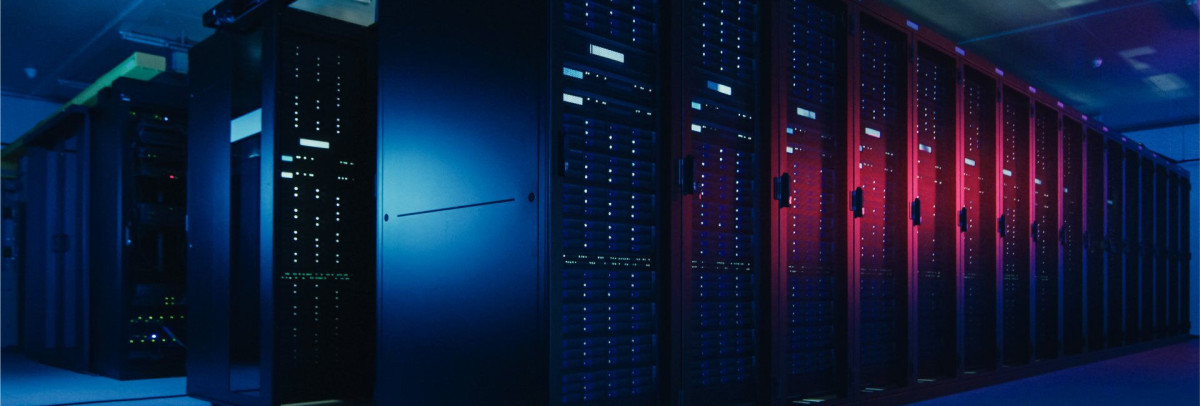
Cloud Computing is the on-demand delivery of computing services—including servers, storage, databases, networking, and software—over the internet from centralized, large-scale data centers. Edge Computing is a distributed computing paradigm that brings data processing and storage closer to the location where it is needed, often on devices like routers, gateways, or local servers at the “edge” of the network.
This dual-layer architecture is defined by:
Centralized Cloud: Provides vast, elastic resources for heavy-duty processing, long-term storage, and complex model training.
Distributed Edge: Provides localized, low-latency processing for real-time response, data filtering, and immediate insight generation.
Orchestration Layer: Intelligent software that seamlessly manages workloads, data flow, and security across the cloud-edge continuum.
The Historical Evolution of Cloud & Edge Computing
The progression toward today’s hybrid model has been marked by distinct technological eras:
- The Mainframe & Centralized Era (1960s-1990s): All processing and data resided on powerful, centralized mainframes or within corporate data centers. Terminals provided access but had no independent compute power.
The Advent of Virtualization and Cloud (2000s): Virtualization technology allowed for the creation of flexible, virtual resources. This led to the rise of public cloud providers (AWS, Azure, Google Cloud), democratizing access to scalable infrastructure via the internet.
The Latency and Data Gravity Challenge (2010s): The explosion of IoT, mobile devices, and real-time applications (video streaming, online gaming) revealed the physical limitations of cloud-only architectures, particularly latency and bandwidth costs for moving massive data volumes.
The Hybrid Cloud-Edge Era (Present): The industry converged on a symbiotic model. The cloud remains the center for scale and intelligence, while the edge handles time-sensitive and localized tasks, creating a unified, intelligent fabric of compute.
Key Takeaway: This evolution reflects the transition from monolithic, location-bound computing to a fluid, context-aware fabric of distributed intelligence that optimizes for both scale and speed.
Why Cloud & Edge Computing Emerged: Addressing Modern Challenges
- The shift to a combined cloud-edge architecture is a direct response to the limitations and demands of a data-saturated, connected world:
The Imperative for Real-Time Action: Applications such as autonomous vehicles, industrial robotics, and augmented reality require millisecond-level response times, which are physically impossible when relying solely on distant cloud data centers.
Exponential Data Growth and Network Constraints: Transmitting every byte of data from billions of sensors and cameras to the cloud is prohibitively expensive and inefficient. Edge computing processes and filters data at the source, sending only valuable insights to the cloud.
Resilience and Operational Continuity: Critical infrastructure (manufacturing plants, power grids) must operate reliably even during network interruptions. Edge nodes provide localized autonomy, ensuring core functions continue uninterrupted.
Data Sovereignty and Privacy Compliance: Regulations like GDPR mandate that certain data be stored and processed within specific geographical borders. Edge computing facilitates local data handling, simplifying regulatory adherence.
Core Characteristics of Cloud & Edge Systems
- Elastic Scalability: The cloud provides seemingly infinite, on-demand resource scaling.
Low Latency: The edge enables immediate processing and response by minimizing physical distance to data sources.
Distributed Intelligence: Processing logic and analytics are deployed where they deliver the most value—either centrally or locally.
Unified Management: Centralized tools provide visibility and control over distributed infrastructure and applications.
Inherent Resilience: The distributed nature reduces single points of failure.
Key Cloud & Edge Domains
- Public, Private, and Hybrid Cloud: Deployment models offering varying levels of control, security, and scalability.
Edge Data Centers: Micro-data centers located closer to population centers or enterprise facilities.
Far Edge / Device Edge: Compute performed directly on IoT gateways, routers, or endpoint devices.
Multi-Access Edge Computing (MEC): Network-edge computing within telecommunications providers’ infrastructure (e.g., 5G towers).
Cloud & Edge in Enterprise and Infrastructure
This architecture is fundamental to modern digital operations. Key applications include:
Real-Time IoT Analytics: Processing sensor data at the edge for instant alerts (e.g., equipment anomaly detection) while sending aggregated data to the cloud for long-term trend analysis.
Content Delivery and Streaming: Edge servers cache popular content (video, software updates) closer to users, reducing latency and improving experience.
Smart Cities and Spaces: Processing video feeds from traffic cameras locally for immediate signal adjustment, while cloud platforms analyze city-wide traffic patterns.
Autonomous Systems: Enabling self-driving cars or drones to make split-second navigation decisions locally (edge), while reporting telemetry and receiving map updates from the cloud.
Challenges and Strategic Considerations
Deploying an effective cloud-edge strategy involves navigating significant complexity. Architecture Design requires careful workload placement decisions. Security becomes more complex, extending the perimeter to thousands of edge nodes. Orchestration and Management of a highly distributed system is non-trivial. Success depends on clear strategies for connectivity, data synchronization, consistent security policies, and lifecycle management for both cloud and edge assets.
Conclusion
Cloud and Edge Computing are not competing models but complementary forces that together form the essential infrastructure for a connected, intelligent world. By strategically distributing compute power, organizations can achieve the impossible balance of global scale and local instantaneity. As AI and IoT continue to advance, the seamless integration of cloud and edge will remain the critical enabler of innovation, efficiency, and transformative user experiences.