SERVER RACK
SERVER RACK
Introduction
In the architecture of modern data centers and enterprise IT infrastructure, the server rack has evolved from a simple metal frame for mounting equipment into an intelligent, integrated, and highly optimized subsystem. As the physical foundation for compute, storage, and networking hardware, today’s advanced server rack solutions are critical for achieving density, efficiency, reliability, and manageability. They form the essential building block of on-premises private clouds, edge computing deployments, and high-performance computing clusters, directly impacting uptime, operational cost, and scalability.
What is a Modern Server Rack Solution?
A modern server rack solution is a standardized enclosure or framework, typically 19 or 23 inches wide, designed to house, organize, power, cool, and secure electronic equipment modules—servers, switches, storage arrays, and other IT gear. It transcends its passive role through integrated management and supporting infrastructure.
Key components of an intelligent rack system include:
Structural Enclosure: The physical frame (rack unit) with mounting rails, providing rigidity, security, and standard spacing measured in rack units (U).
Power Distribution Unit (PDU): Intelligent units that distribute AC or DC power to equipment with capabilities for remote monitoring, outlet-level control, and power metering.
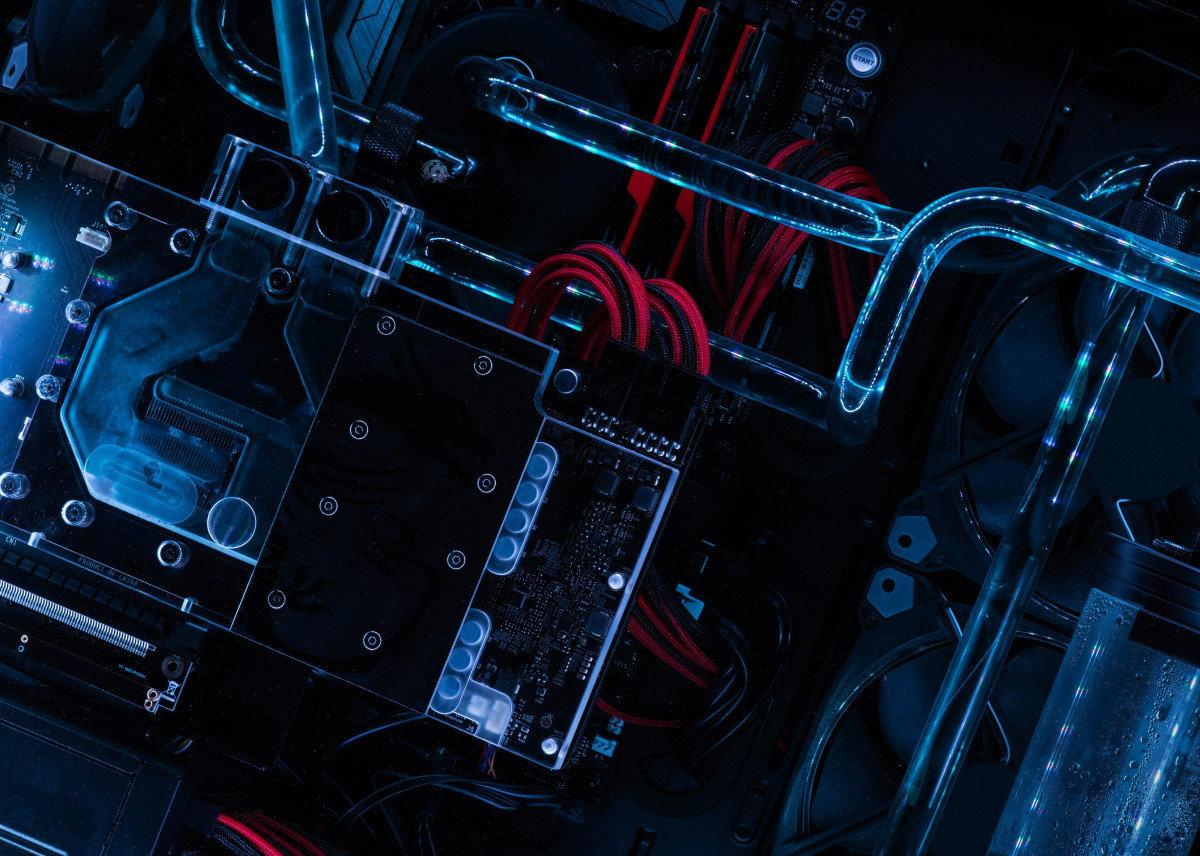
Cooling Infrastructure: Integrated fans, vents, and often direct liquid cooling (DLC) or rear-door heat exchanger (RDHx) systems to manage high-density heat loads efficiently.
Cable Management: Systems to organize power and data cables, ensuring proper airflow, serviceability, and safety.
Environmental & Security Monitoring: Integrated sensors for temperature, humidity, air pressure, door access, and video surveillance within the rack.
Management Software: A digital layer providing a single-pane-of-glass view into the rack’s health, power consumption, thermal status, and asset inventory.
The Historical Evolution of Server Racks
The server rack’s development parallels the evolution of computing itself, marked by increasing density and intelligence:
Early Mainframe and Equipment Cabinets (1960s-1980s): Large, proprietary cabinets housed monolithic mainframes and mini-computers. There was little standardization; each vendor had its own form factor and cooling solution.
Standardization and the Rise of Rack-Mount Servers (1990s): The adoption of the 19-inch rack standard (EIA-310) enabled interoperability. The shift from tower servers to compact, slide-mount “pizza box” servers began, driving the need for organized, space-efficient data center layouts.
The Density and Heat Crisis (2000s-2010s): The proliferation of blade servers and high-performance computing created extreme power densities (>10 kW per rack). Traditional perimeter cooling failed, leading to innovations in hot/cold aisle containment, in-row cooling, and the first intelligent PDUs for power monitoring.
The Era of Hyperconvergence and Intelligent Racks (2020s – Present): Racks are now treated as modular, pre-integrated units of compute—sometimes termed “rack-scale systems” or “hyperconverged infrastructure blocks.” Integration of DC power, advanced liquid cooling, and comprehensive IoT-based monitoring via out-of-band management has turned the rack into a smart, self-aware asset.
Key Takeaway: This evolution marks the transition from passive, standardized containers to active, instrumented, and optimized pods of IT infrastructure that are managed as a single entity.
Why Modern Server Rack Solutions Emerged: Addressing Modern Challenges
The shift towards intelligent, integrated rack solutions is a direct response to pressing operational and business challenges in IT infrastructure:
Exponential Growth in Compute Density and Power Consumption: Modern AI servers, GPU clusters, and high-density storage can draw 30-50kW per rack, necessitating precision power delivery and advanced cooling that cannot be managed with legacy, room-level approaches.
The Demand for Operational Efficiency (OPEX) and PUE Reduction: Energy is a top data center cost. Intelligent racks with metered PDUs and efficient cooling directly reduce Power Usage Effectiveness (PUE) and operational expenses by eliminating over-provisioning and identifying waste.
The Rise of Edge Computing and Distributed IT: Deploying racks in remote, unstaffed locations (cell towers, retail stores, factories) requires them to be self-monitoring, secure, and remotely manageable with high reliability.
Need for Speed and Agility in Deployment: Pre-integrated, tested “rack-level” solutions shipped as a single SKU dramatically reduce deployment time, complexity, and risk compared to integrating components on-site.
Core Characteristics of Intelligent Server Rack Solutions
High-Availability Design: Engineered for redundancy in power feeds (dual-path), cooling, and management to ensure continuous operation.
Thermal Management and Containment: Designed to support specific cooling strategies (hot/cold aisle containment, liquid-assisted) to handle high heat loads predictably.
Power Density and Distribution: Capable of supporting high kW loads with intelligent, meter-per-outlet PDUs for granular monitoring and control.
Integrated Monitoring and Telemetry: Embedded sensors provide real-time data on environment, power, and security, feeding into Data Center Infrastructure Management (DCIM) systems.
Modularity and Scalability: Designed to allow easy expansion, component upgrades, and serviceability without major downtime or re-engineering.
Key Server Rack Solution Domains
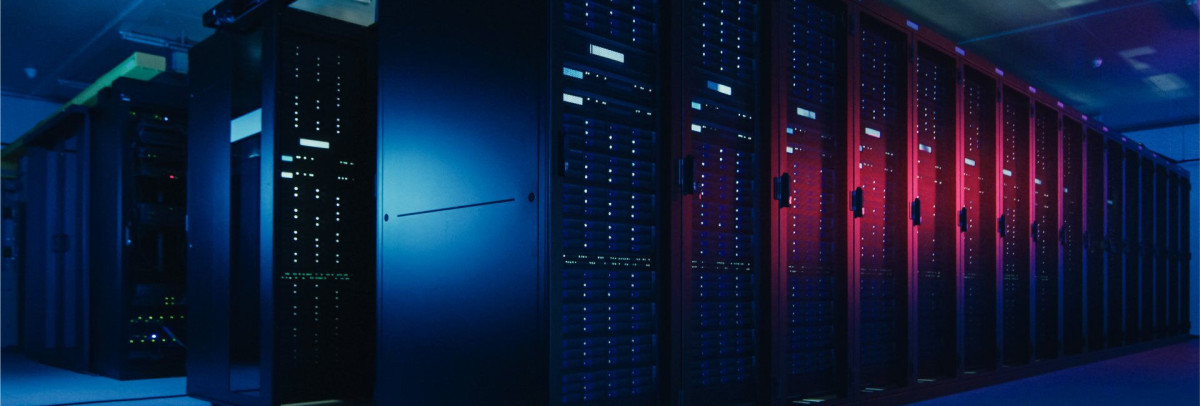
Enterprise and Corporate Data Center Racks: Standardized racks for general-purpose IT loads, focusing on balance, manageability, and integration with building systems.
High-Performance Computing (HPC) & AI Racks: Optimized for extreme density, often incorporating direct-to-chip liquid cooling and specialized power distribution for GPU clusters.
Edge and Micro-Data Center Racks: Ruggedized, all-in-one solutions with integrated UPS, cooling, and security for deployment in harsh or space-constrained non-traditional environments.
Modular/Pod-Based Data Center Racks: Racks that are part of larger, factory-built modules (containers), pre-integrated with all supporting infrastructure for rapid deployment.
Open Compute Project (OCP) Racks: Designed to OSP specifications, often wider (21″ or 538mm) to accommodate open hardware designs for hyper-scale efficiency.
Server Rack Solutions in Enterprise and Infrastructure
Intelligent rack solutions are foundational to reliable and efficient operations. Key applications include:
Private Cloud and Hyperconverged Infrastructure (HCI) Deployments: Providing the standardized, scalable physical layer for on-premises cloud resource pools.
AI/ML Training and Inference Clusters: Housing and cooling the dense, power-hungry GPU servers that drive modern AI workloads, with precise environmental control for optimal performance and longevity.
Mission-Critical Enterprise Applications: Hosting core database, ERP, and communications servers where high availability, security, and predictable performance are non-negotiable.
Telecommunications and 5G Edge Nodes: Deploying compact, hardened racks at network edges to host virtualized network functions (VNFs) and applications close to end-users.
Challenges and Strategic Considerations
Designing and deploying optimal rack solutions involves navigating several complexities. Heat Dissipation and Cooling Architecture is the primary constraint for density; selecting the right cooling technology is critical. Power Capacity and Distribution planning must account for future growth and avoid costly retrofits. Interoperability and Vendor Lock-in can be an issue with highly proprietary integrated systems. A successful strategy requires a holistic, lifecycle view, considering total cost of ownership (TCO), manageability at scale, and alignment with IT roadmap rather than just upfront purchase price.
Conclusion
The modern server rack has been redefined from a commodity enclosure to an intelligent, integrated platform that is fundamental to the performance, efficiency, and agility of digital infrastructure. By converging power, cooling, compute, and management into a cohesive unit, advanced rack solutions enable organizations to deploy higher densities, gain deeper operational insights, and respond faster to business needs. As computing demands continue to intensify, the innovation and intelligence embedded within the rack will remain a critical frontier for building the resilient and sustainable data centers of the future.